





The Requirements to Pass A Vehicle Inspection in Texas Guide
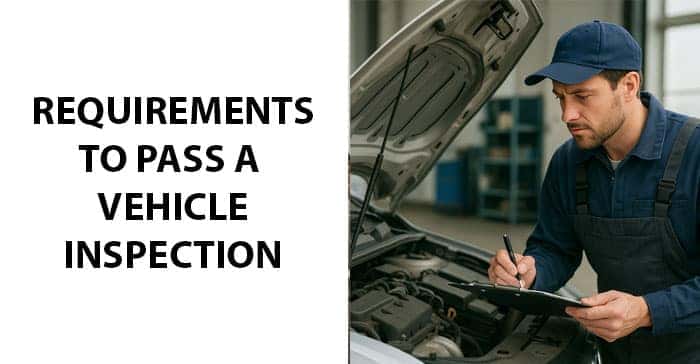
Whether you’re moving to Texas or have just purchased a car, you may be wondering about the requirements to pass a vehicle inspection in Texas. A new law that went into effect in January of 2025 (House Bill 3297) has eliminated safety inspections for most vehicles, but that doesn’t mean you’re off the hook.
So, what vehicles are still required to pass an inspection? And what are the requirements to pass? Read on to learn everything you need to know about vehicle inspections in Texas.
Texas Car Inspection LawsTexas Diesel Delete Laws
Requirements to Pass a Vehicle Inspection in Texas
Up until the beginning of this year, all vehicles were required to pass a safety inspection annually. However, with the new law, only commercial vehicles are required to pass their yearly safety inspections. That doesn’t mean that you’re allowed to drive an unsafe vehicle. It’s still important to service your car regularly and ensure that it’s working properly.
Per the Texas Department of Public Safety, “Regular maintenance ensures the proper operation of your vehicle’s headlights, taillights, horn, mirrors, windshield wipers, tires, and other critical functions.” Driving with any of these malfunctions is still against the law. Additionally, if you cause an accident due to neglect of your car’s critical functions, you could be civilly liable for damages.
Although safety inspections are no longer required for non-commercial vehicles, chances are, you may still need to pass an annual emissions inspection if you live in one of the state’s more populated counties. So, what are the requirements to pass a vehicle inspection in Texas?
For gas-powered vehicles 1996 and newer, the emissions test involves checking your onboard diagnostics to ensure the emissions system components are working and to look for any diagnostic trouble codes. It also checks the status of your check engine light and readiness monitors (which must be set). The check engine light must be off in order to pass.
What Fails a Car Inspection in Texas?
Car inspections in Texas are meant to ensure that vehicles won’t break down and cause a preventable accident on public roads. While non-commercial vehicles aren’t required to pass a safety inspection, commercial vehicles are required to have a yearly inspection. Some of the reasons a vehicle might fail an inspection include:
- Lighting issues: Burned-out headlights, taillights, brake lights, turn signals, or license plate lights, misaligned or cracked lights, and improperly colored bulbs (such as blue headlights) are all considered unsafe and will cause your vehicle to fail.
- Worn-out brakes: If your brakes are worn out or not working well, your vehicle will fail the safety inspection. Inspectors will look at brake pads, calipers, the parking brake, and other components of the braking system to ensure that all is in working order.
- Worn tires: Worn tires reduce your vehicle’s traction, making it harder to turn or stop safely. Inspectors look at the tread depth, which must be more than 2/32 inch, as well as look for cracks, bulges, or cords showing.
- Steering: The steering system is important for keeping your car going in the correct direction. Inspectors will look for loose or misaligned steering components.
- Windshield and wipers: Non-working wipers, cracked or chipped windshield in the driver’s line of sight, and illegal window tint (such as too dark or reflective) can all cause the vehicle to fail inspection.
- Mirrors: Texas law requires you to have a mirror that can reflect a view of at least 200 feet from the back of the car. The law doesn’t specify how many total mirrors, just that you can see at least 200 feet behind you. If all your mirrors are cracked or missing, you will fail the inspection.
- Exhaust system: If your vehicle is missing a catalytic converter or has excessive smoke or noise from the exhaust system, it will fail inspection.
If your vehicle does fail the inspection, you typically have thirty days to fix the issue. At that point, you can return to the same inspection site to have it reevaluated.
What Are the Vehicle Inspection Laws in Texas?
With the passing of House Bill 3297, non-commercial vehicles no longer have to pass an annual safety inspection. However, you will be required to pay the $7.50 inspection program replacement fee when you register your vehicle. This fee helps cover road construction and expansion across the state.
Additionally, if you live in the most populous areas of Texas, you’ll likely have to pass an annual emissions inspection. These inspections help combat pollution that can contribute to health issues like heart disease and cancer.
How To Register A Car In Texas
Is It Required?
Safety inspections are only required for commercial vehicles. If you have a non-commercial vehicle, you do not have to take it for a safety inspection.
If you live in the more populous counties of Texas, you are required to take your car for an annual emissions test. The counties include:
- Brazoria
- Fort Bend
- Galveston
- Harris
- Montgomery
- Collin
- Dallas
- Denton
- Ellis
- Johnson
- Kaufman
- Parker
- Rockwall
- Tarrant
- Travis
- Williamson
- El Paso
Additionally, in 2026, vehicles in Bexar County will be required to pass an emissions test.
Reasons Cars Fail the Emissions Test
Here are the most common reasons cars fail the emissions test in Texas:
- Check engine light on: If your check engine light is on, it’s an automatic fail. Even if everything else seems fine, the light being on signals a problem with the emissions control system.
- Faulty O2 Sensor: The O2 sensor monitors exhaust gases and helps regulate the air-fuel mixture. A failing sensor causes increased emissions and poor fuel economy.
- Bad catalytic converter: The catalytic converter reduces harmful emissions. If it’s clogged or not working, your vehicle may emit too much carbon monoxide (CO), nitrogen oxides (NOx), or hydrocarbons (HC).
- Faulty On-Board Diagnostics system: For gas-powered vehicles 1996 or newer, the OBD system must be functional. This system helps regulate emissions from your car, alerting you if there’s an issue. Without it, your vehicle might have an emissions leak or other related problem without notifying you.
- Loose gas caps: Gas caps are important for preventing emissions leaks. If your gas cap is loose or cracked, it allows vapors to escape the car and enter the atmosphere.
- Recent battery disconnect or code clearing: If you’ve recently disconnected the battery or cleared codes with a scanner, the OBD system may not have completed its readiness monitors, causing an automatic fail.
If your car fails, you’ll get a Vehicle Inspection Report that tells you the reason. Most issues can be repaired, and you’re usually allowed a free retest within 30 days.
Which Vehicles Need an Inspection?
Vehicles that need an emissions inspection include:
- Gas-powered vehicles.
- Vehicles 2 to 24 years old.
- Vehicles registered or used primarily in one of the designated counties.
Diesel-powered vehicles, electric vehicles, and motorcycles are all exempt from emissions testing.
The only vehicles that need a safety inspection are commercial vehicles.
Vehicle Inspection Conclusion
The requirements to pass a vehicle inspection in Texas are meant to keep residents safe. Emissions requirements prevent harmful pollutants from entering the atmosphere, while safety inspections ensure that commercial vehicles are safe to operate.
If you’re in the market for a new or used vehicle, come check out Boggus Tipton Chrysler Dodge Jeep Ram in Brownsville. We have a huge inventory of vehicles so you can find the right one for your budget.
Whether you live in Brownsville, Weslaco, McAllen, Mission, or beyond, we’ve got your back. We even serve cities farther away, such as Dallas and Amarillo. We can help you find your next vehicle, whether it’s a Ram 1500 or a Jeep Wrangler! If you need to service your vehicle or customize it, we can change your oil, perform your transmission service, and add on custom truck accessories. Come see us today!

0 comment(s) so far on The Requirements to Pass A Vehicle Inspection in Texas Guide