






The Texas Car Light Law Guide: Are LED Light Bars Legal In Texas?
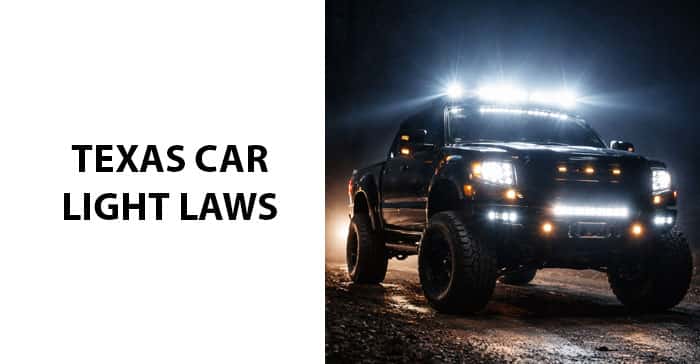
If you’re wondering whether LED light bars and other custom lighting modifications are street legal in the Lone Star State, you’re not alone. Vehicle lighting laws in Texas can be confusing because while many aftermarket lights are allowed to be installed, how and where you use them on public roads makes all the difference. This guide breaks down key Texas lighting laws, including LED light bars, headlights, colored lights, smoked lenses, and license plate lighting, so you can customize your ride without breaking the law.
The Requirements To Pass A Vehicle InspectionTexas Tire Laws
Are LED Light Bars Legal in Texas?
Yes, with conditions. LED light bars themselves aren’t outright illegal to install on your vehicle in Texas, but using them on public roads requires compliance with state regulations. According to the Texas Transportation Code, auxiliary lights (including LED bars and driving lamps) are permitted only if they are mounted and used in specific ways.
- You may mount up to two auxiliary driving lamps on the front of a vehicle, positioned between 16 and 42 inches above the ground.
- Lights that project a beam brighter than 300 candlepower must be aimed so that the high-intensity portion of the beam does not shine more than 75 feet ahead on the road.
- No more than four total forward-facing lamps (including your vehicle’s required headlights) emitting more than 300 candlepower can be lit at the same time. If you fail to follow these rules, for example, by mounting a light bar too high or using it improperly on public roads, you could be cited under Texas lighting laws.
LED light bars used off-road (on private property or when not driving on public highways) are much less regulated. But once you hit the street, you must meet the above requirements.
Texas Car Light Laws
Texas lighting regulations are primarily found in Chapter 547 of the Texas Transportation Code and related DPS inspection standards. These rules adopt federal safety standards (FMVSS 108) for vehicle lighting, meaning many light colors, intensities, and mounting conditions are governed by both federal and state law.
Some general principles:
- All lighting must be clearly visible and not impair the effectiveness of required lamps.
- Aftermarket lighting must comply with DOT or SAE standards, so always check markings before installing.
- Unauthorized flashing, rotating, or oscillating lights are prohibited on non-emergency vehicles.
Texas Headlight Laws
Headlights are one of the most important safety devices on your vehicle, and Texas has strict rules about them. Every motor vehicle must be equipped with at least two headlamps mounted on the front between headlamps mounted on the front between 24 and 54 inches above the ground. These must meet beam and visibility standards to be legal.
Are LED Headlights Legal in Texas?
Yes, again, with conditions. LED headlights are permitted if they meet federal and state safety standards. That means:
- The headlight must emit white or amber light only (no blue, red, green, etc.).
- LED bulbs and assemblies must be DOT/SAE approved and properly aimed so they do not blind other drivers.
- Aftermarket LEDs that produce an improper beam pattern (common with some conversion kits) are considered illegal because they don’t meet requirements.
Are Colored Headlights Legal in Texas?
No, headlights must emit white or amber light. Non-standard colors, like blue, red, green or purple, are prohibited because they can be confused with emergency vehicles or otherwise distract drivers.
Are Smoked Headlights Legal in Texas?
Smoked headlight covers or tints may look stylish, but if they reduce the effectiveness or visibility of the headlight beam, they can fail inspection or result in a citation. Texas law prohibits any device that impairs the required effectiveness of headlamps or other required lights.
If a soaked cover merely changes the appearance but still allows sufficient light output and complies with DOT standards, you may be fine, but be cautious. Any darker tint that decreases visibility below legal standards is unsafe and potentially unlawful.
Texas License Plate Light Laws
Texas requires that your license plate be plainly visible at all times during daylight. Plates must not be obscured by covers, frames, or illuminated in colors that distort the letters or state name. Illuminating lights for license plates must emit white or amber light so the plate can be seen from 50 feet away.
Colored lighting (red, blue, etc) around your plate isn’t legal and could lead to a Class C misdemeanor citation.
Texas Car Light Conclusion
If you have questions about Texas car light laws, especially when it comes to LED light bars, off-road lights, or custom lighting, Boggus Tipton is the smart place to turn. Texas regulations can be surprisingly detailed, and a simple modification can unintentionally lead to tickets, inspection issues, or safety concerns. Our team at Boggus Tipton understands both the legal requirements and the real-world situations drivers face, and we can explain the rules in clear, practical terms.
Instead of relying on conflicting online advice, a visit to Boggus Tipton gives you accurate guidance, peace of mind, and confidence that your vehicle setup is compliant, safe, and ready for the road. While we’re located in Brownsville, we serve the entire area, including Harlingen, McAllen, Edinburg, and beyond. We even serve cities farther away, such as Dallas and Austin. Whether you need a new car or maintenance such as transmission repair, general auto repair, suspension repair, new custom tires, or auto glass repair, we can help.

0 comment(s) so far on The Texas Car Light Law Guide: Are LED Light Bars Legal In Texas?